Zero-Footprint Auditing: Why Persistent Security Scanners Are a Threat to Your Cloud
Architecting single-use cloud verification nodes that deploy in seconds, validate perimeter posture, and terminate cleanly without residual exposure.
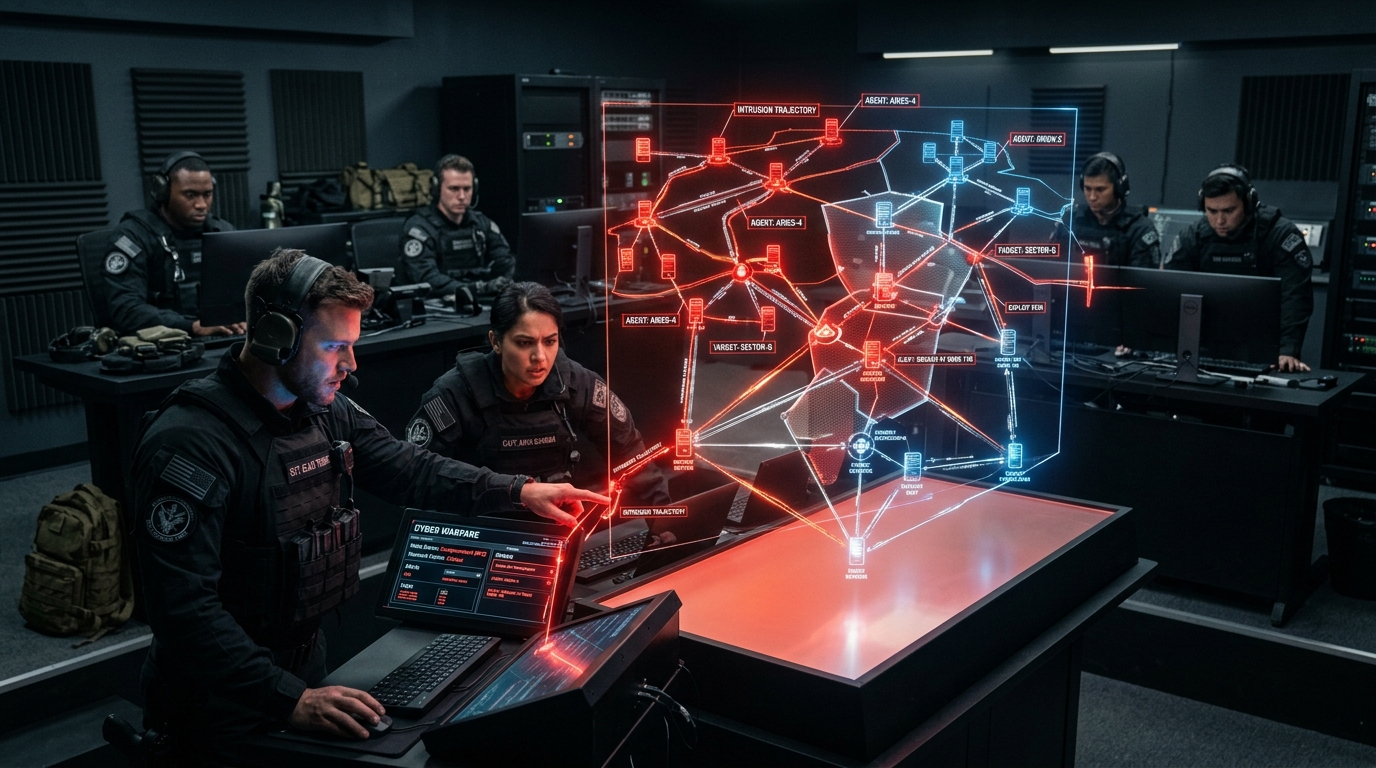
Ephemeral Verification Infrastructure: The Zero-Footprint Security Audit
Persistent security testing infrastructure poses a notorious operational dilemma for enterprise cloud environments: long-lived scanner nodes, static API keys, and permanent ingress tunnels create secondary attack vectors that threat actors can compromise.
To achieve truly continuous security verification without introducing persistent risk, modern cloud defense requires ephemeral verification infrastructure.
The most secure testing node is the one that exists only for the duration of the scan and terminates completely into nothingness.
Principles of Single-Use Cloud Verification
By adopting single-use testing runners, engineering teams eliminate persistent lateral movement vectors while accelerating deployment cycles.
More from The Exploit Company

Why Guardrails Fail: The Anatomy of Multi-Turn Context Bleed in Autonomous AI Agents
How incremental benign prompts across long conversation horizons gradually bleed latent state and bypass keyword safety boundaries in reasoning models.

Escaping the MicroVM: How a PCIe DMA Race Condition Collapsed Hypervisor Isolation
A deep dive into CVE-2026-44192, where an asynchronous memory race in virtual device emulation allowed unprivileged guest code to hijack the host kernel.